Food science · Pizza · Product development
The Green Light Lab™
Practical answers for people who want to understand what changed, why it changed, and how to make the next test better.
Latest field note
Start with the problem in front of you.
Each article turns a familiar kitchen or production problem into a controlled, useful learning opportunity.
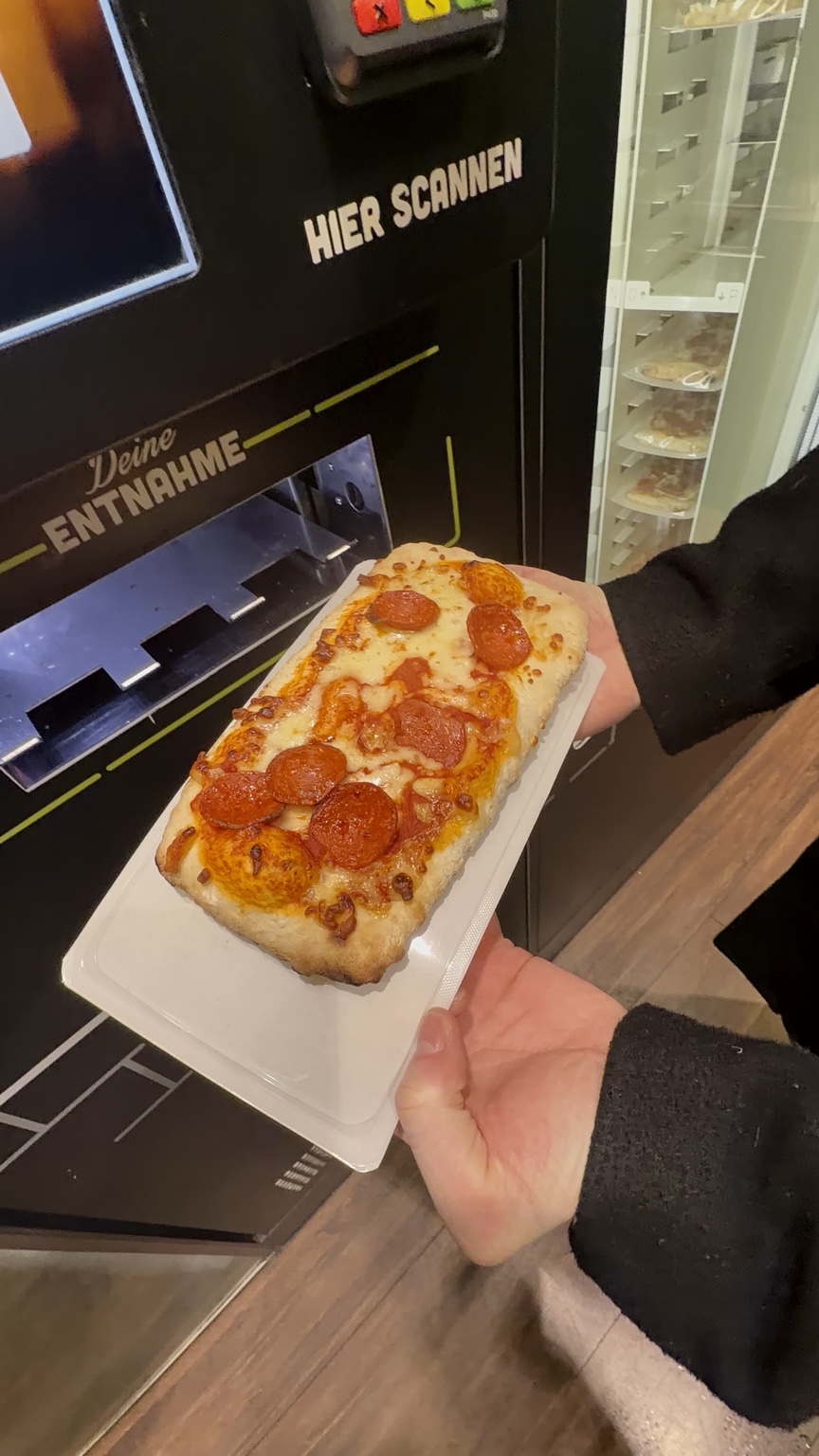
Pizza Vending Machines: The Work Behind a 24/7 Pizza
Pizza vending machines automate the sale and bake, but people still manage supply, quality and service. A food scientist explains what operators should test.
Read the article →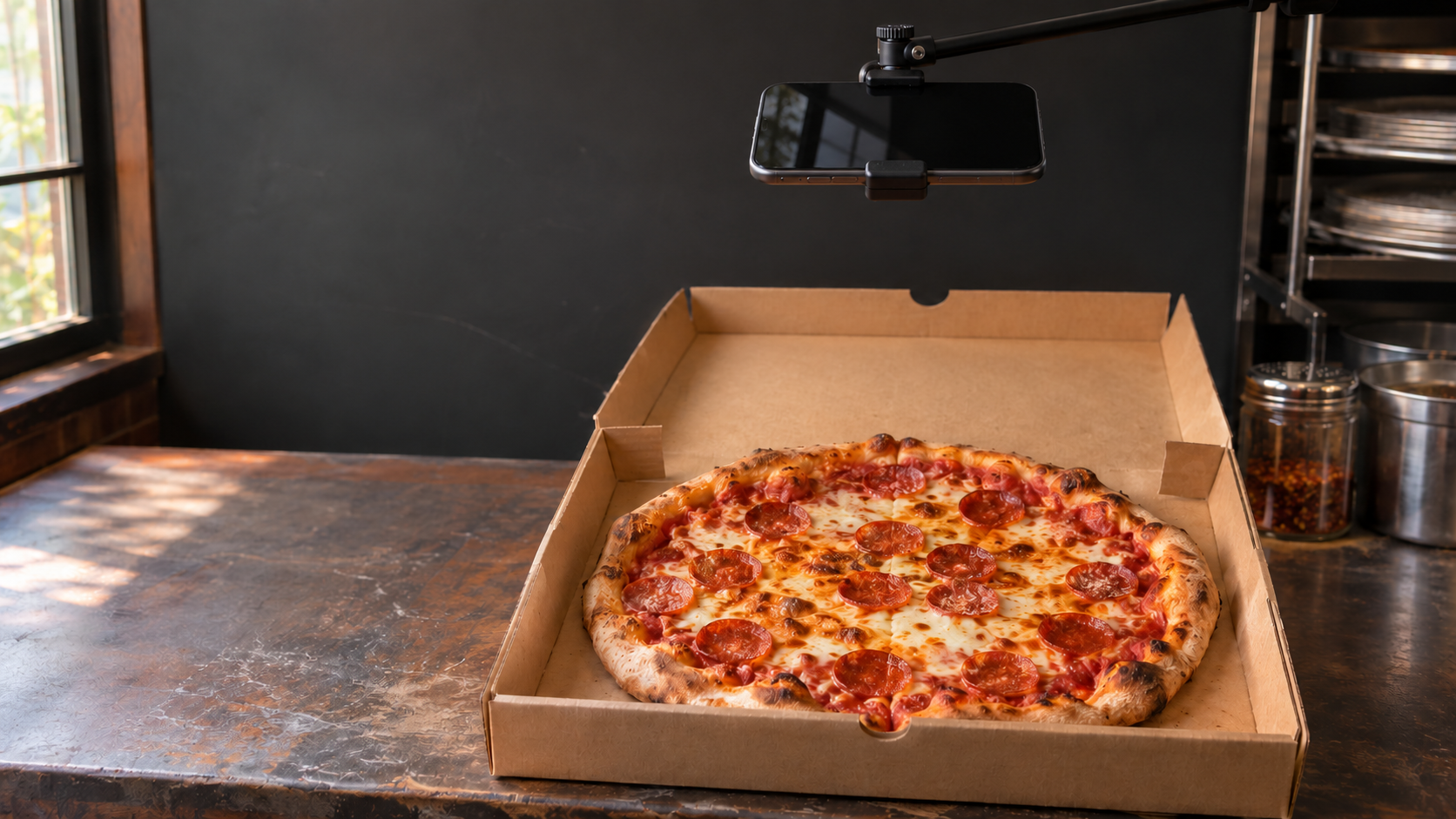
Pizza Quality Control: What a Photo Can and Cannot Tell You
Can a photo tell you whether a pizza is good? Learn what visual checks reveal, what they miss, and how pizzerias can turn feedback into better results.
Read the article →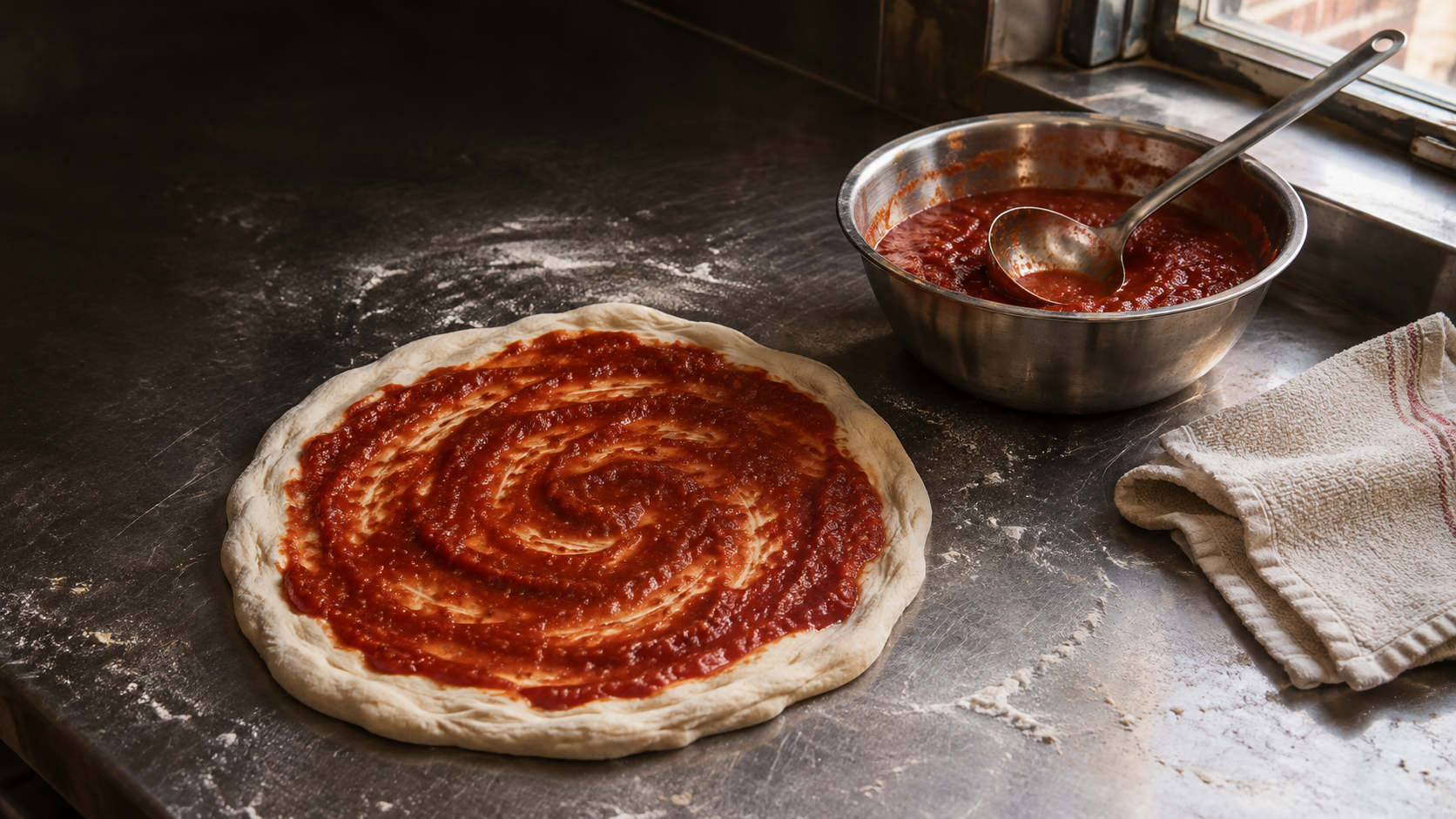
Pizza Sauce Consistency: Why the Same Ladle Can Make a Different Pizza
Learn why pizza sauce spreads differently, what Brix can tell you, and how to test sauce consistency and portion weight for repeatable pizzas.
Read the article →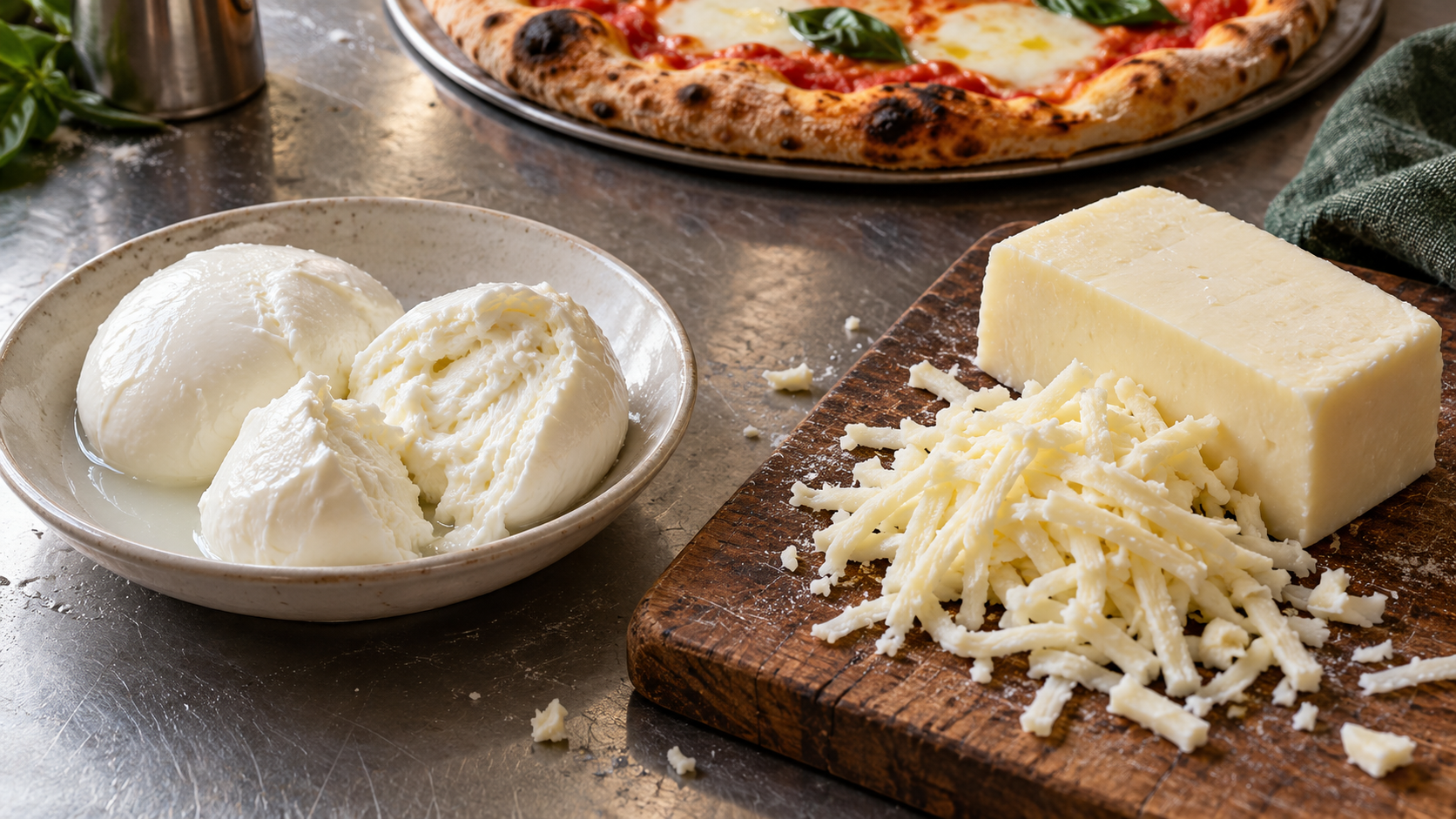
Fresh vs. Low-Moisture Mozzarella: Choose the Cheese for Your Pizza
Fresh or low-moisture mozzarella? Learn how to choose pizza cheese for flavor, coverage, handling, and cost, then test it in your own oven.
Read the article →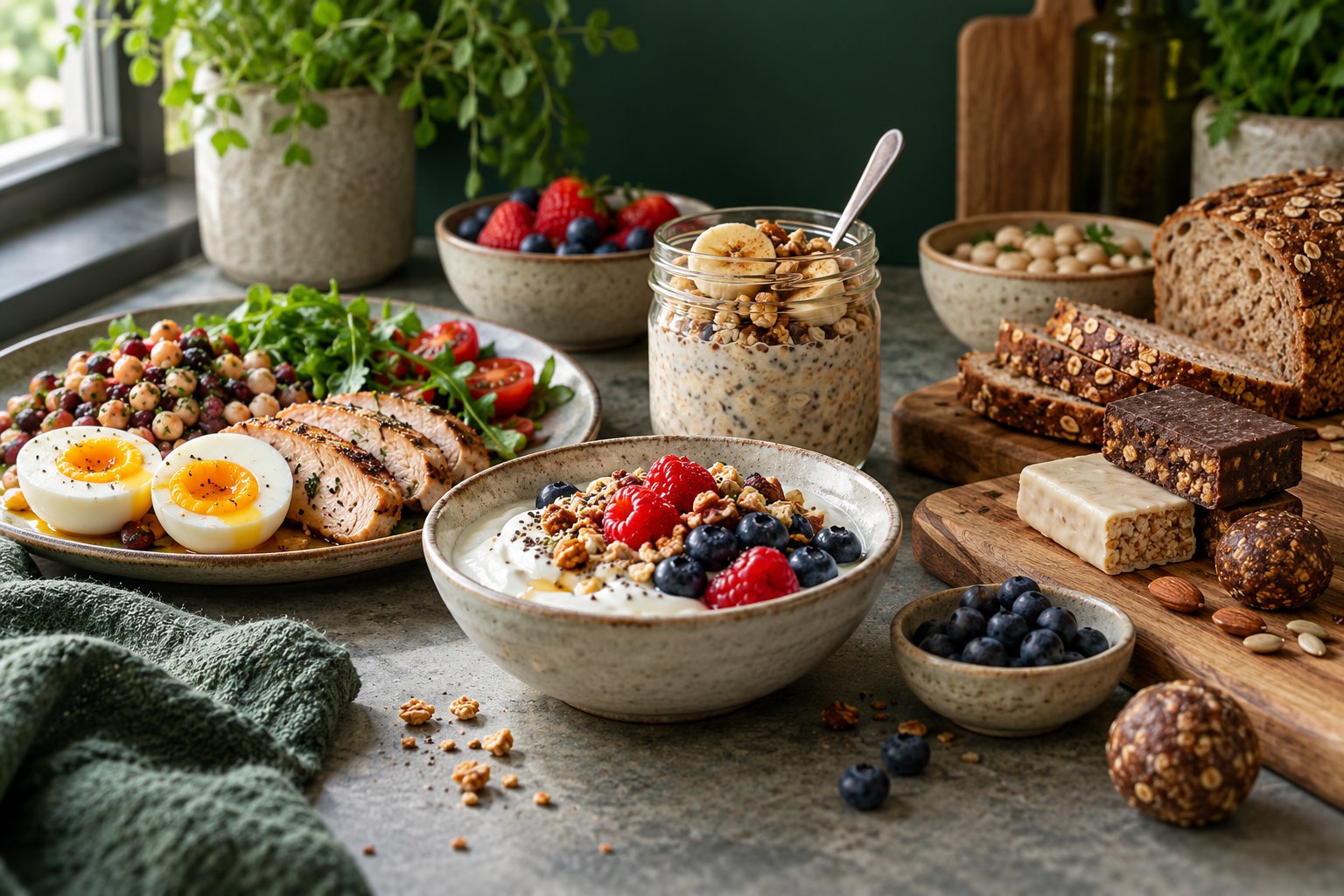
High-Protein Everything: Why America Is Suddenly Obsessed With Protein
From protein-infused comfort foods to the GLP-1 revolution, the food industry is discovering that the future of nutrition may be less about eating more and more about making every bite count.
Read the article →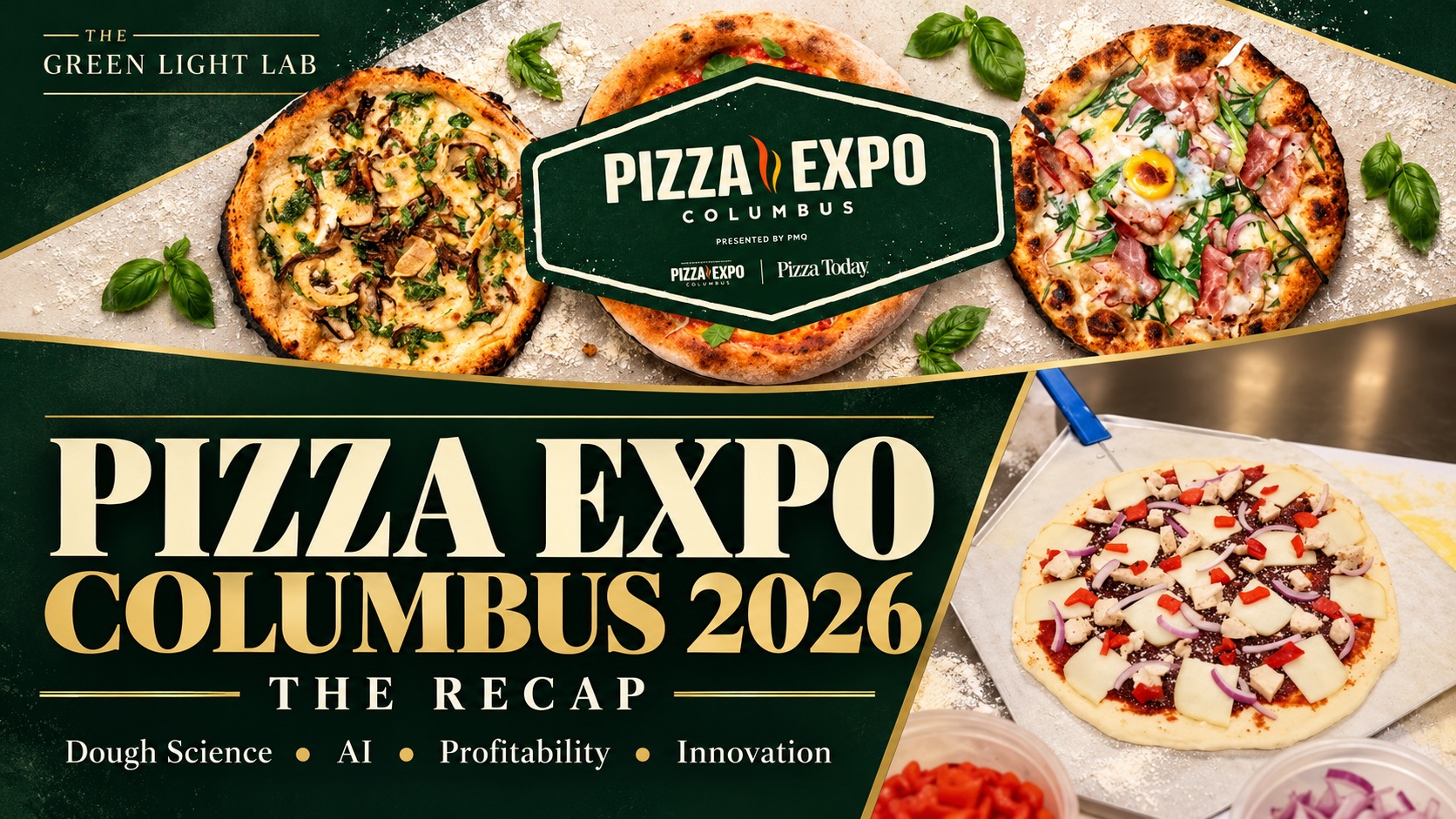
Pizza Expo Columbus 2026: The Next Competitive Edge Won’t Come From Toppings Alone
What this year’s Midwest pizza gathering revealed about dough science, artificial intelligence, profitability, and the future of the industry.
Read the article →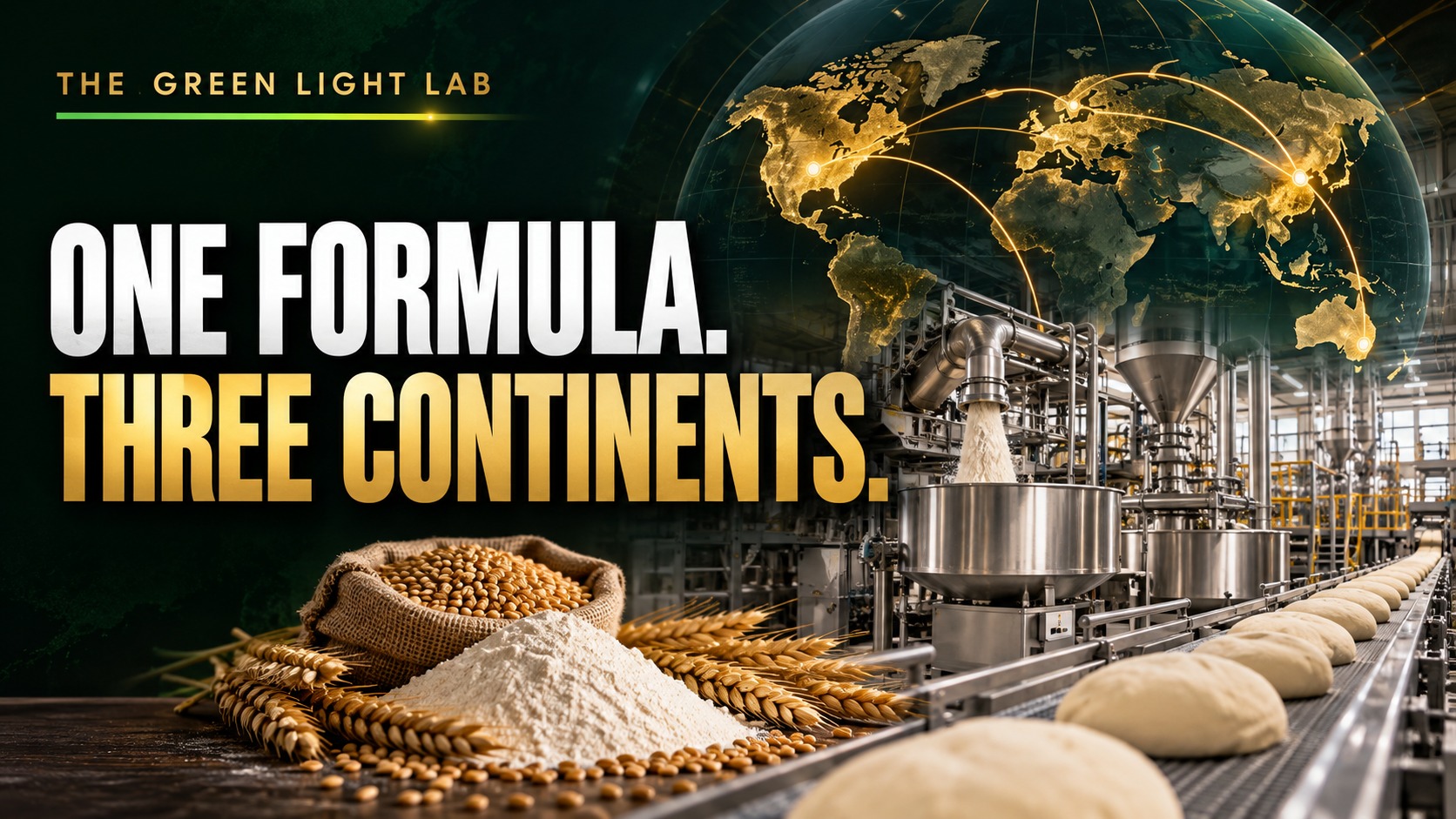
One Formula, Three Continents
Why raw materials, regional conditions, and process flexibility matter in global food production. A food science perspective from Ray Sierengowski.
Read the article →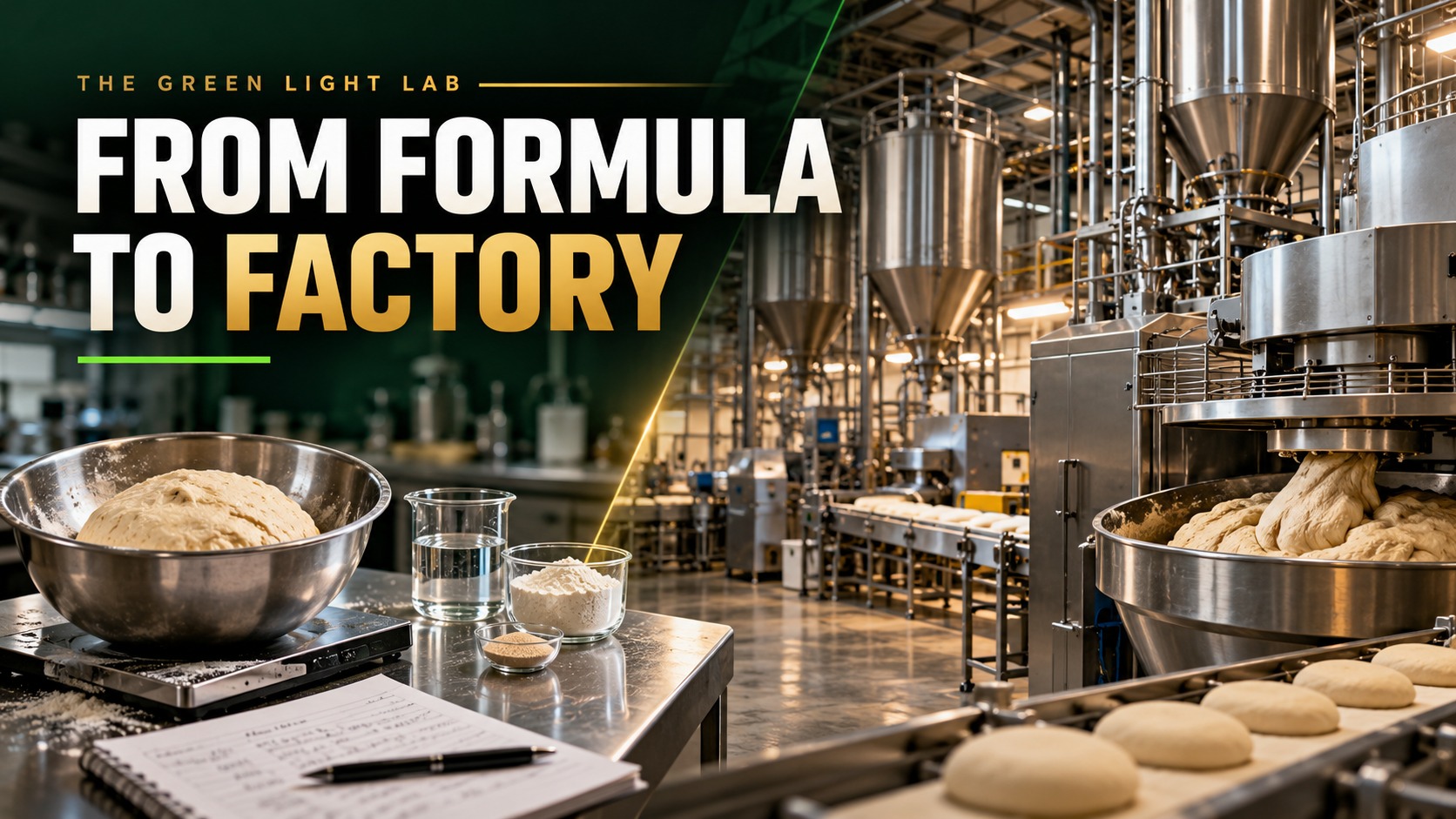
From Formula to Factory: What It Takes to Scale Food Production
Ray Sierengowski explains how formulation, mixing, ingredient handling, and equipment design affect food manufacturing consistency, yield, and operating cost.
Read the article →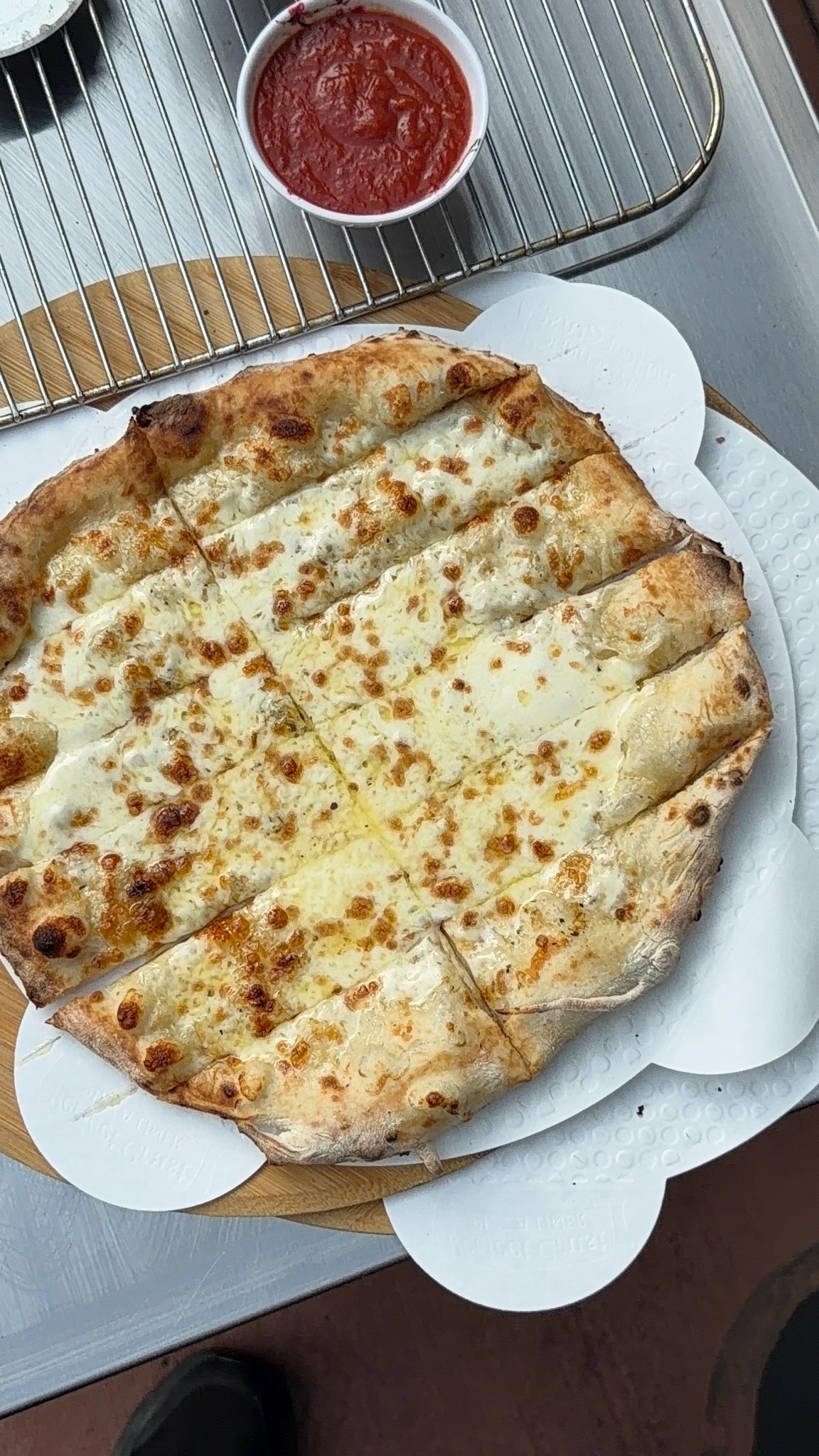
Why Pizza Gets Soggy in the Box—and How to Keep It Crisp
Why does crisp pizza soften in a takeout box? Ray Sierengowski explains moisture, packaging, and his experience with Perfect Crust Pizza Liners.
Read the article →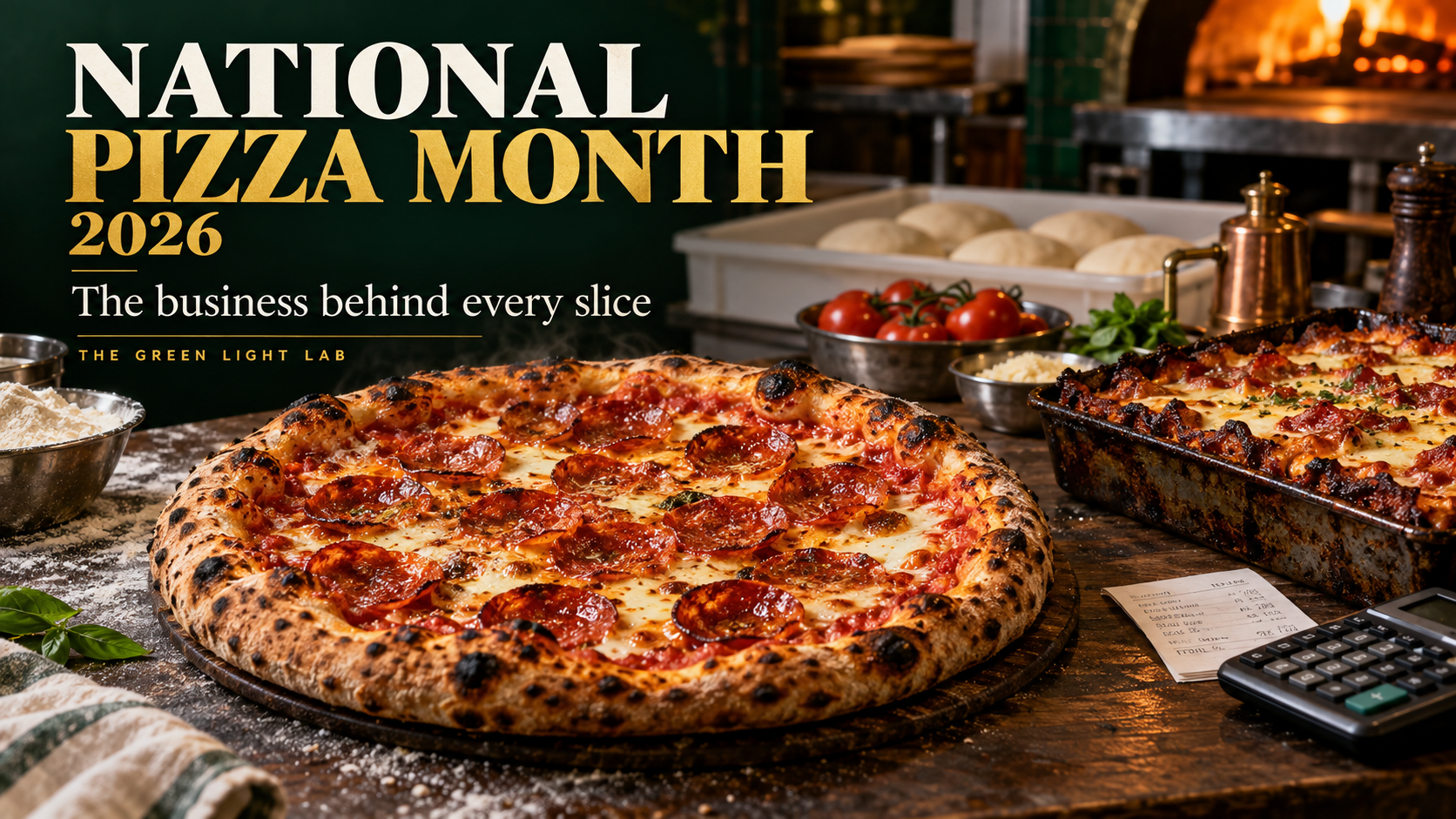
National Pizza Month 2026: What the Industry Is Actually Doing to Sell More Pizza
National Pizza Month is bigger than discounts. A food scientist, chef and independent pizza operator looks at how pizzerias compete on price, quality, experience and community, plus why events like Pizza Expo matter.
Read the article →
Salt in Pizza Dough: How Much to Use and Why It Matters
Learn how salt affects pizza dough fermentation, strength, and flavor, how to calculate its percentage, and how to test changes without guessing.
Read the article →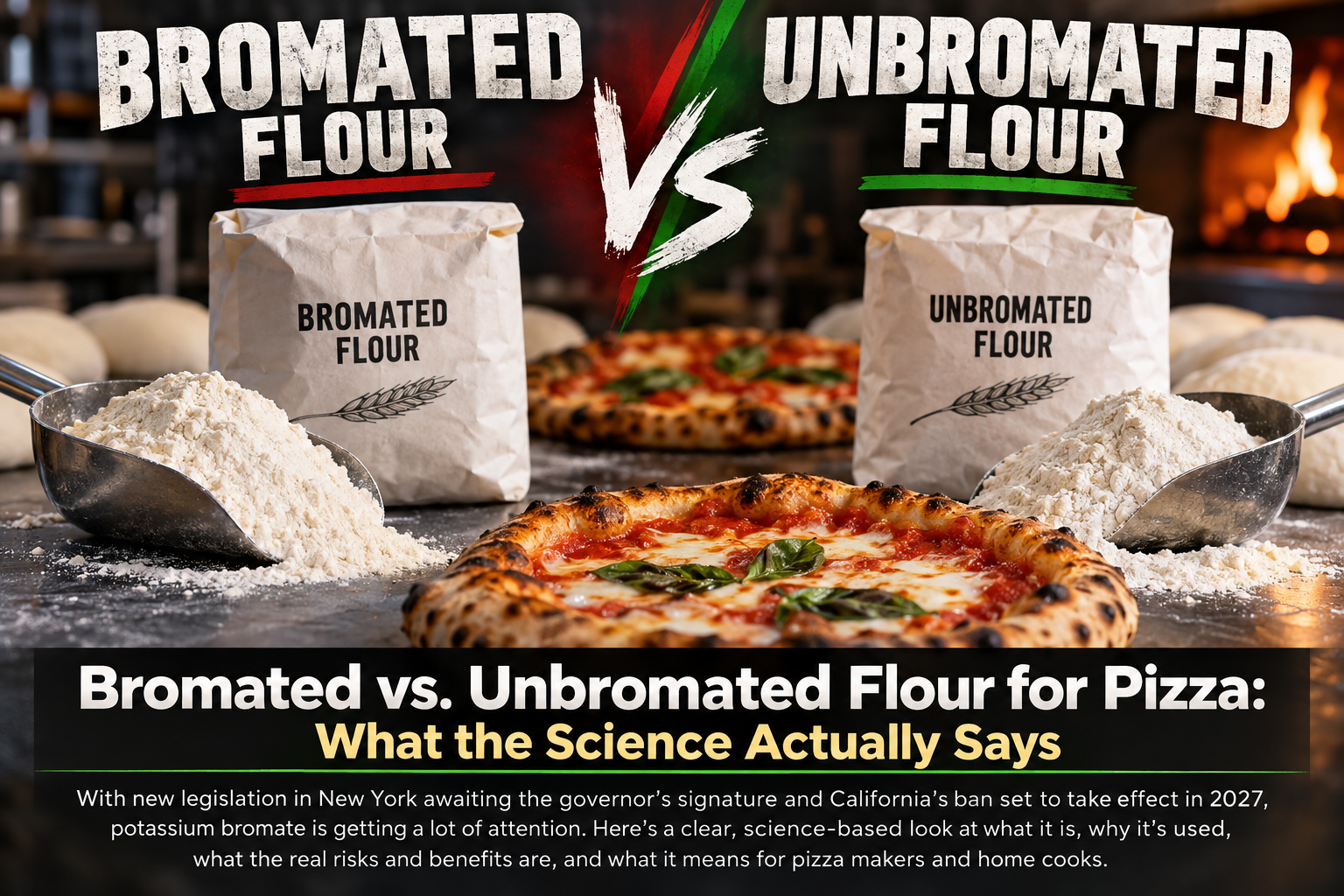
Bromated vs. Unbromated Flour for Pizza: What the Science Actually Says
A food scientist and chef looks at potassium bromate, residual bromate, baking chemistry, regulation, and what changing flour means for pizza makers.
Read the article →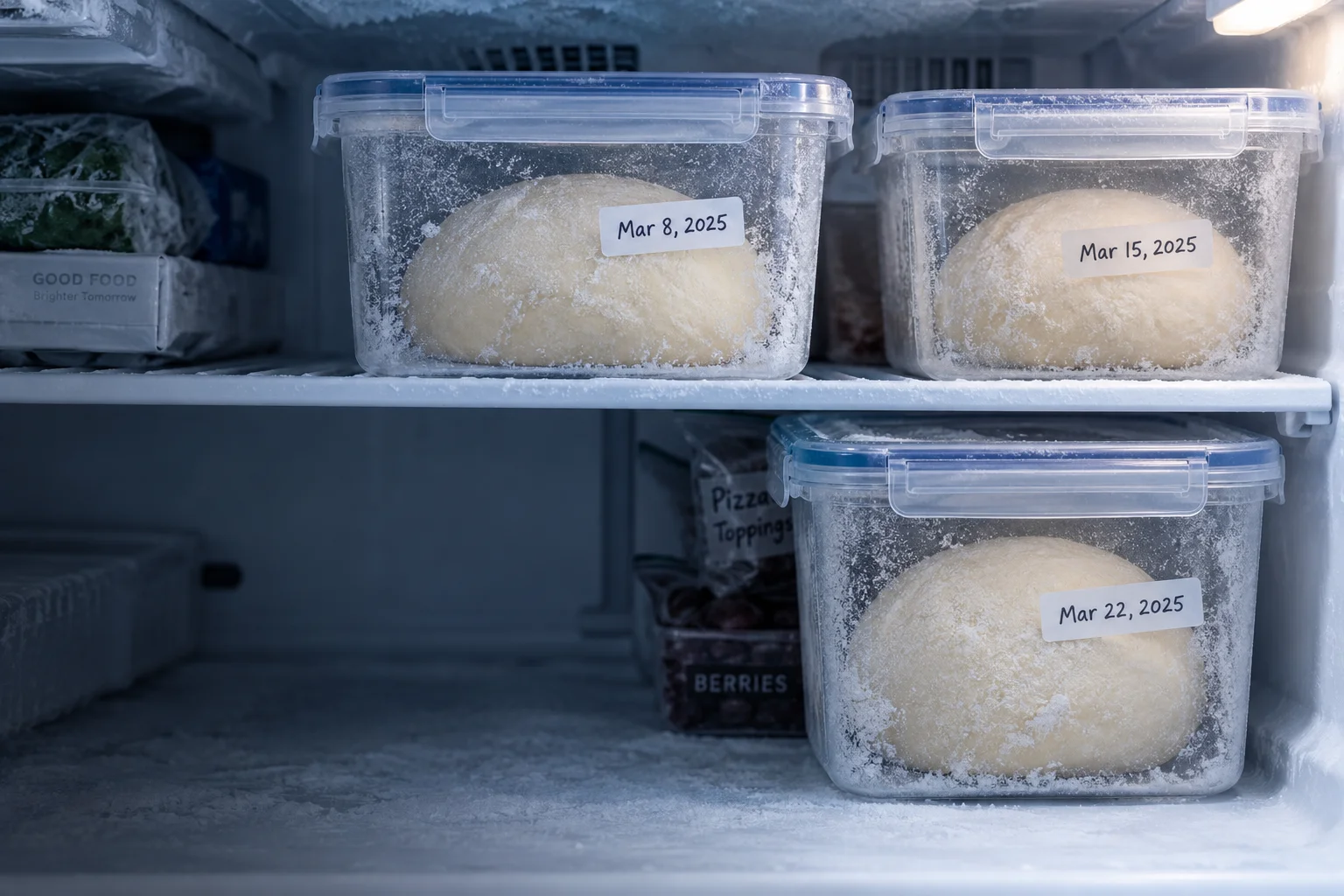
Can You Freeze Pizza Dough?
The food science behind freezing, thawing, and better results. Learn what freezing does to yeast and gluten, when to freeze, and how to bring dough back ready to bake.
Read the article →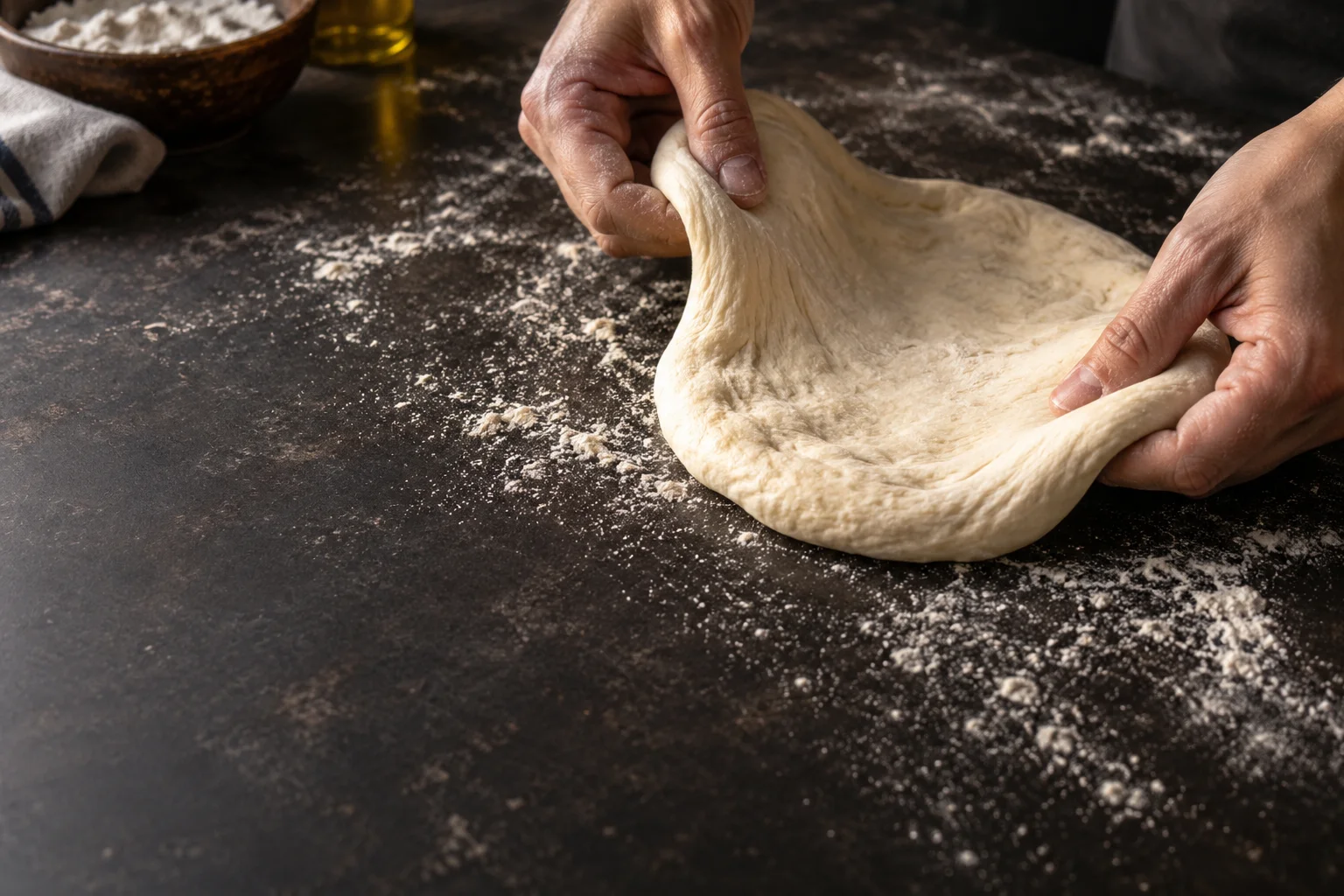
Why Does Pizza Dough Snap Back? Causes and How to Fix It
If your dough keeps shrinking after you stretch it, the gluten is telling you something. Learn how rest, temperature, flour, mixing, and fermentation affect extensibility.
Read the article →The method
Change one variable. Record what happened. Use the result.
The Green Light Lab is built around the same discipline used in product development: establish a control, make a deliberate change, observe the outcome, and decide what the evidence says to do next.